






|
New home construction quality continues to be a problem in Canada. In 2005, the Canadian Home Builder's Association (CHBA) advised that it estimates 10% of Canadian builders as problematic. Others have estimated the number of problem builders in Canada in the 20 - 25% range. In a 2005
article that appeared in Canadian Homes and Cottages, it was reported that the CHBA had surveyed many new home buyers from across the country, and many said that on warranty service, builders often offered poor or delayed service, and were hostile about making the repairs. [Click here for the full article]. In 2006, CHBA refused an interview with CTV to discuss housing quality. In 2007, CHBA refused an interview with CTV's W-Five to discuss housing quality.
Since Canada Mortgage and Housing Corporation (CMHC) got out of the business of inspecting new homes during construction in the 1980's, new housing quality has sunk to what many now call "disposable" housing. To make matters worse, if there are quality issues, the "safety net" of warranty programs is often inadequate to get the problem addressed to the home owner’s satisfaction.
While there are good home builders in Canada, consumers have no reliable, objective means of knowing who they are. The purchase of a home is typically the largest investment made by Canadians, and should not be a gamble due to quality issues.
There are many problems facing Canadians because of these quality issues. For example, tens of thousands of homeowners from various regions of Canada have suffered health-wise and/or financially by poor quality home construction in the last two decades1. Many Canadians are living in a home that does not meet the minimum health and safety standards of the building codes as these codes are often not being enforced by municipal inspectors during construction. Once the home owner takes possession of the home, some unscrupulous builders will not meet their obligations, which often leave homeowners with houses they can not or should not sell and can lead to ruinous financial situations. Building codes are often inadequate, e.g., in relation to energy efficiency and durability. Examples of potential health issues from improperly built homes include carbon monoxide poisoning and asthma from mould. Often home insurance policies exclude claims that result from defective construction. Further, often homeowners will not speak up about the problems due to the litigious nature of many builders and the fear of negatively influencing their own home’s resale value. The legal system is unavailable to most because of the cost. Unfortunately, often Canadians feel they have no choice but to resort to dumping their defective home on the real estate market, without disclosing the defects to the next purchaser.
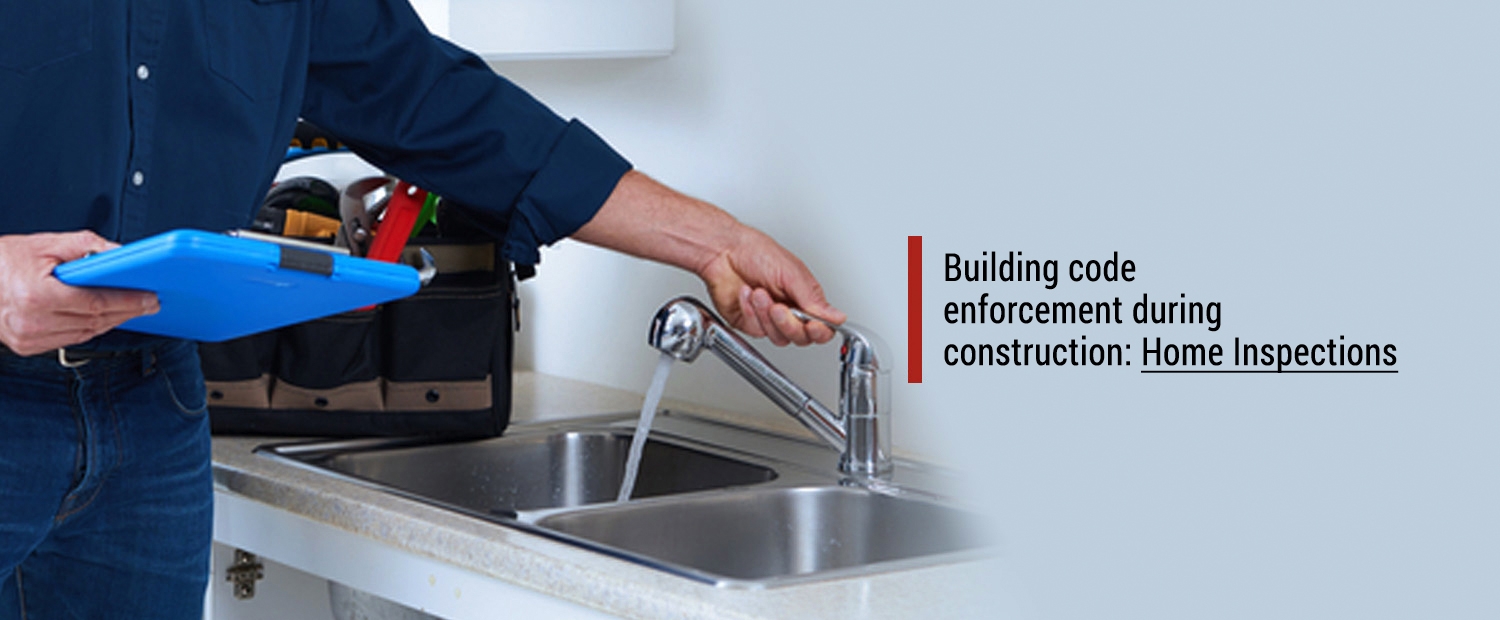
Given this situation, governments must immediately step in to provide much better consumer awareness and consumer protection. In the meantime, Canadians are encouraged to have the home inspected by a qualified home inspector before purchasing it, regardless of whether it is a newly built home from a builder/developer, or a home on the real estate market.
Even if you have not been directly impacted by these types of problems, all Canadians should be concerned as our tax dollars are being used to fix the problems created by poor construction, e.g., in 2002, an agreement was signed between the Government of Canada and the Province of British Columbia to provide up to $27.7 million to owners of moisture damaged residences in British Columbia.
This is why Canadians for Properly Built Homes has been established: to alert Canadians of these possible problems and to effect necessary and meaningful positive change to the Canadian home construction industry.
1 According to CMHC, more than 65,000 homeowners have been negatively impacted by the “leaky condo” crisis in British Columbia.
|